
The growing use of lithium batteries in electric mobility has significantly reduced the environmental impact of transportation. However, end-of-life battery management remains a major challenge for the industry. With a limited lifespan, the management of lithium battery waste represents an important ecological issue, creating a challenge for fleets of electric vehicles that must manage them properly. The circular economy of lithium batteries allows extending their lifespan, limiting their environmental impact and reducing waste. By using this approach, it is possible to double the battery's lifespan while reducing its management costs.
In this article, we will present the key steps of the circular economy of batteries, as well as how Bib Batteries can help you manage your faulty or end-of-life batteries.
Step 1: Collection of damaged or used batteries
The first step in the circular economy of batteries is to collect batteries that no longer function properly (broken, dead...). They can, for example, be retrieved from vehicle repair warehouses, where they are stored waiting for a solution. In fact, battery repair is rarely done in repair shops due to complexity and guarantees.
The collection of batteries must be carried out according to a controlled process in order to minimize the risks of damage to people and the environment. Generally, carriers must be approved for the transport of lithium batteries.
This collection of batteries is thus the first step in limiting the environmental impact of end-of-life batteries by recovering them for later use. The collected batteries are then transported to sorting centers to determine the actions to be taken based on their condition and potential for reuse. A complete diagnosis made before collection can avoid this logistics and bring the battery directly to the appropriate service.
Step 2: Battery repair
The second major step in the circular economy of batteries is repair. Indeed, the life of batteries can still be extended in the majority of cases. In fact, batteries may have minor damage that does not require a complete battery replacement, such as damaged connections, broken cables, or defective cells.
These batteries that can be reconditioned are sent to specialized repairers. These experts have extensive experience in battery repair for micro-mobility (electric bikes, scooters, and scooters) or for electric vehicles.
Battery repair not only extends their lifespan but also saves money by avoiding the purchase of a new battery. In fact, reconditioning a battery is more economical than buying a new one, especially if the battery has retained all of its energy capacity. In addition, this approach greatly reduces the environmental impact of batteries by avoiding the disposal of those that can still be used and/or producing new ones to replace them.
Step 3: Battery reuse
.webp)
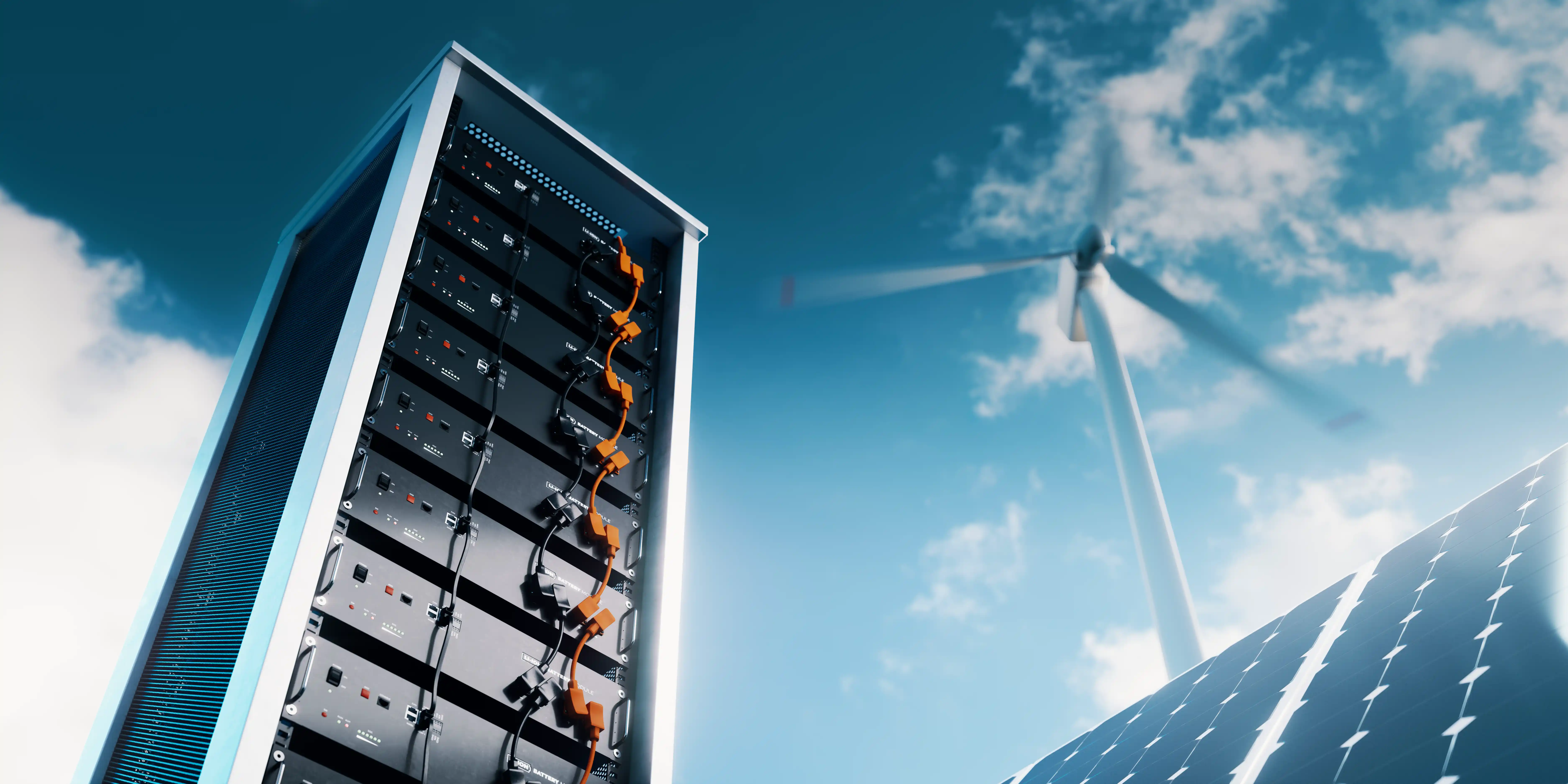
Once the battery has exhausted most of its potential for its primary application, it is necessary to find another use for it. Indeed, a battery considered end-of-life in mobility still has 75% of its total chemical (i.e. energetic) potential. This residual potential must therefore continue to be exploited before finally disposing of the battery.
Battery reuse is a key step in the circular economy of batteries because it allows the batteries to have a second life, thus doubling their lifespan. In fact, the battery can serve, for example, 3 to 5 years in mobility before being used again for 5 years in a second life. The reuse of batteries also helps to reduce the demand for new batteries and keeps them away from landfills. End-of-life batteries can be used for different, less demanding applications such as renewable energy storage (ESS), domestic stationary storage, backup batteries for data centers, or in other types of mobility.
Many local or international companies are developing applications for end-of-first-life batteries, thus offering numerous economic and environmental benefits to the battery ecosystem. They collect batteries whose capacity has become too weak for their initial use and allow for the reutilization of components and all cells.
In the case of electric vehicle batteries, it is also possible to reuse them for other used electric vehicles (other cars, scooters, or electric bikes). This can help to reduce the cost of purchasing new low-emission vehicles by using existing batteries.
Step 4: Battery recycling
If batteries cannot be repaired or reused, the final step in the circular economy is recycling. Used batteries contain precious metals such as lithium, cobalt, and nickel. Recycling allows for the recovery of these materials and their reuse in the production of new batteries. Battery recycling also helps reduce their negative environmental impact by avoiding the majority of the extraction of these materials. However, it is a greenhouse gas-emitting process that should be used as a last resort.
Batteries are generally recycled in several stages. First, the batteries are dismantled, and the various components are separated. Rare metals such as lithium are then extracted and purified for use in new products.
Today, the situation is clear: although recycling is the last step in this circular economy, only 30% of batteries are recycled. The rest end up in landfills. The battery recycling industry is saturated by the growing demand, but new players are emerging to address this crucial issue.
Conclusion
The management of end-of-life batteries is an important issue for electric vehicles, and the circular economy of batteries offers a complete, economical, and environmentally friendly solution.
Bib Batteries specializes in the circular economy of lithium batteries in micro-mobility and automotive, offering a solution for battery management in mobility: collection, repair, second life, and battery recycling.
Working with Bib batteries ensures finding the most economical and ecological solution for your batteries. So don't wait, contact us !
Explore our resources


Stay informed about Bib's latest updates
Get technical content, use cases, and industry updates — tailored to your needs.
Want to know more?
Get in touch for more detailed information.